

June is Bowel Cancer Awareness Month, an important reminder to pay attention to bowel health, understand the signs of bowel cancer, and take part in screening when eligible.
Bowel cancer, also called colorectal cancer, develops when abnormal cells grow in the wall of the large bowel. It can affect the colon or rectum and may cause bleeding, changes in bowel habits or other symptoms. In its early stages, however, bowel cancer may not cause any obvious symptoms at all.
That is why screening is so important.
How common is bowel cancer?
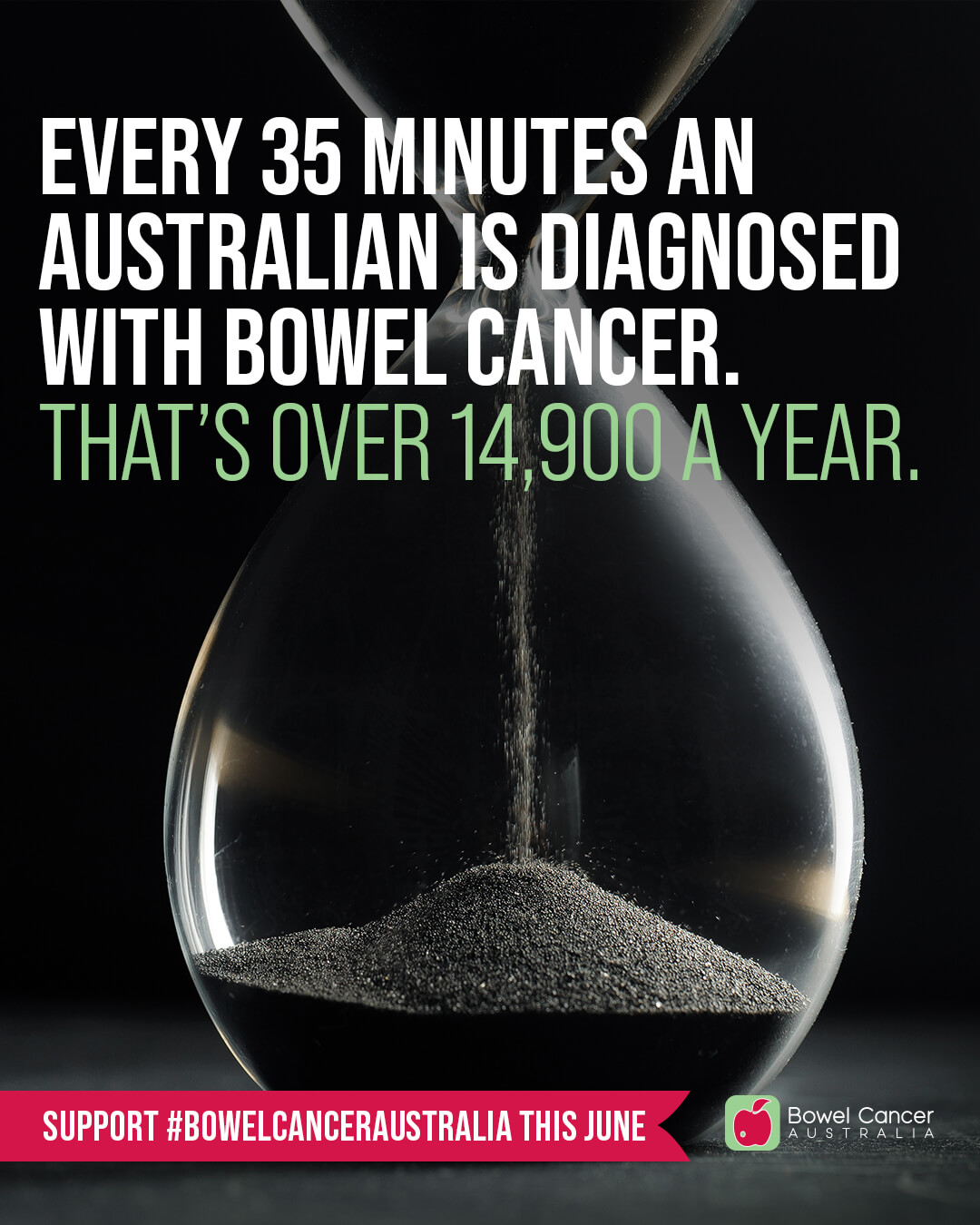
Bowel cancer is one of the most common cancers in Australia and remains one of the leading causes of cancer-related death.
Thousands of Australians are diagnosed with bowel cancer each year. While this can sound concerning, there is also an important and hopeful message: when bowel cancer is found early, treatment is much more likely to be successful.
Early detection can make a significant difference.
What symptoms should I look out for?
Not everyone with bowel cancer will experience symptoms, particularly in the early stages. However, symptoms can include:
- blood in your poo or rectal bleeding
- a recent and persistent change in bowel habits
- diarrhoea, constipation or needing to go to the toilet more often
- changes in the shape or appearance of your poo, such as narrower poo or mucus
- ongoing bloating, cramps or abdominal pain
- unexplained tiredness, weakness or anaemia
- unexplained weight loss
- feeling like your bowel has not emptied completely
- pain or a lump around the anus or rectum
These symptoms do not always mean bowel cancer. Many common conditions can cause similar symptoms. However, it is important to get checked so your doctor can help find the cause and recommend the right next steps.
If you notice blood in your poo, rectal bleeding, or symptoms that persist, please book an appointment with your doctor.
What screening is available?
The National Bowel Cancer Screening Program offers eligible Australians aged 45–74 a free home bowel screening test every two years.
People aged 50–74 are mailed a free test kit. People aged 45–49 can request their first free kit.
The test is completed at home and involves collecting tiny samples from two separate bowel motions. The samples are then posted to a laboratory for testing. The test looks for tiny traces of blood in poo that may not be visible.
If your result is negative, it is still important to keep screening every two years while you are eligible. If your result is positive, it does not necessarily mean you have cancer, but it does mean you need to speak with your doctor about further investigation.
Should I screen if I do not have symptoms?
Yes, if you are eligible. Bowel cancer can grow for years before symptoms appear. Screening is designed for people who do not have symptoms, because it can help detect early signs before bowel cancer becomes more advanced.
If you do have symptoms, do not wait for a screening kit. Book an appointment with your doctor.
When should I talk to my doctor?
You should talk to your doctor if:
- you have noticed changes in your bowel habits
- you have blood in your poo or rectal bleeding
- you have ongoing bloating, cramps, abdominal pain or unexplained tiredness
- you have unexplained weight loss
- you have a family history of bowel cancer
- you have received a positive bowel screening result
- you are aged 45–74 and have questions about bowel screening
Bowel symptoms can feel embarrassing to talk about, but your doctor has heard it all before. Having the conversation early can help you get answers, reassurance and the right care.
This Bowel Cancer Awareness Month, do not put it off. If you have a bowel screening kit, complete it. If you have symptoms or concerns, book an appointment with your doctor.