Summer in Australia means more time outdoors, from beach days and sport to long afternoons in the sun. With Australia having some of the highest UV levels in the world, particularly during summer, protecting your skin is essential for long-term health.

In this article, Dr Bejoy Machumpurath, an accredited full-time skin cancer doctor consulting at Eastbound Clinic, shares his advice on sun safety, skin cancer risk, and the importance of regular skin checks.

Why is sun safety so important in Australia?

Australia’s UV levels are among the highest globally, and they rise significantly during summer. Prolonged exposure to ultraviolet (UV) radiation increases the risk of skin damage and skin cancer, making sun protection a critical part of everyday health care.

What is skin cancer?

Skin cancer refers to several types of cancers that affect the cells of the skin.

The most common skin cancers seen in general practice are:

  • Basal Cell Carcinomas (BCCs)
  • Squamous Cell Carcinomas (SCCs)

These cancers affect the basal and squamous cells of the skin and are generally less dangerous when detected early.

Melanoma is a rarer but far more serious form of skin cancer. It affects melanocyte cells and can spread throughout the body relatively quickly, which is why early detection through skin checks is so important.

What causes skin cancer?

There are many risk factors for skin cancer, but most cases are linked to UV exposure combined with non-modifiable factors such as genetics and family history.

UV exposure most commonly comes from sunlight, especially for people who:

  • Work outdoors
  • Play outdoor sports regularly
  • Spend extended time in the sun without protection

Taking sun protection measures, such as wearing hats, covering up and using sunscreen, can significantly reduce risk.

Another important UV risk factor is current or past solarium use.

Other risk factors relate to your individual skin type and genetics, including:

  • Ethnic background
  • Hair and eye colour
  • Number of moles
  • Personal or family history of skin cancer

A rarer but significant risk factor is immunosuppression, including certain medications, particularly those used by organ transplant recipients.

Is there a safe or healthy tan?

There is no such thing as a safe or healthy tan.

Tanning occurs as a response to UV damage. When the skin is exposed to harmful UV radiation, melanocyte cells produce melanin to help protect against further damage. This means a tan always indicates some level of skin damage.

How can I protect my skin during summer?

The best way to reduce your risk of skin cancer is to actively protect your skin whenever the UV index is 3 or above. The UV index can be found via the SunSmart Global UV app and the Bureau of Meteorology (BOM) website.

A simple guide to sun protection is:

  • Slip on protective clothing – If you can’t see through the fabric when held up to the sun, it’s providing protection.
  • Slop on sunscreen – Use at least SPF 30+, preferably SPF 50+. About 7 teaspoons (35 mL) is needed for full body coverage for an average adult.
  • Slap on a wide-brimmed hat
  • Seek shade where possible
  • Slide on UV-protective sunglasses

What skin changes should I look out for?

You should monitor your skin for any spots that:

  • Look different from others
  • Are growing or changing
  • Have multiple colours
  • Bleed, don’t heal, or become painful

If you notice a spot you’re concerned about, it’s important to have it checked by a healthcare professional.

How often should I get a skin check?

Most people considered at risk should have a yearly professional skin check. This includes many people with Caucasian or Mediterranean skin types, particularly those born in Australia with additional risk factors.

If you’re unsure whether you need regular skin checks, speak with your healthcare professional.

Some people may require more frequent skin checks, including those with:

  • Multiple previous skin cancers
  • A strong personal or family history of melanoma
  • Certain immunosuppressive medications

Your healthcare professional can advise on the right screening schedule for you.

At Eastbound Clinic the consulting GPs available to provide skin check appointments include:

  • Dr Aaron Rhodes
  • Dr Bejoy Machumpurath
  • Dr Cerys Jones
  • Dr Owen Latimer

Need to book an appointment?

What is diabetes?

Diabetes is a serious and chronic condition which can affect the entire body. While there is currently no cure, you can live an enjoyable life by receiving diabetes care, which includes learning about the condition and effectively managing it.

Diabetes is a condition where there is too much glucose in the blood. The body can’t make insulin, enough insulin, or is not effectively using the insulin it does make. Over time, high glucose levels can damage blood vessels and nerves, resulting in long-term health complications including heart, kidney, eye and foot damage.

Diabetes care at Eastbound Clinic

Diabetes is a chronic condition that requires careful management. If you need support for your diabetes, our wonderful diabetes nurses can work with your doctor to provide tailored, GP-managed guidance.

Trish Collis is a Credentialled Diabetes Educator. She delivers comprehensive diabetes care and education for people with Type 1, Type 2, and Steroid Induced Diabetes. She further provides advice on Pre-Pregnancy planning and Pump therapy, Continuous Glucose monitoring, Bolus Calculator and insulin titration.

Yiming Ma is a Nurse Diabetes Educator. She is passionate about assisting people with diabetes and believes that self-management and team-based care, with regular reviews and consistency in care providers, are effective to prevent complications from diabetes.

Trish and Yiming support the consulting GPs in delivering the ongoing care and monitoring that is required to manage type 1, type 2, and gestational diabetes, with no out-of-pocket costs. Speak to your GP to learn more and determine your eligibility. 

National Diabetes Week

National Diabetes Week (14 – 20 July) is a national awareness campaign driven by Diabetes Australia. People living with diabetes should be able to access the life-saving technology they need to live well.

This year, Diabetes Australia is shining a light on the impact of diabetes tech and what needs to be done to improve access.

Find out more about this year’s theme, download the campaign resources and find out how you can get involved.

Stay informed

Did you know that Eastbound produces a monthly digital newsletter?

We deliver important community health updates and clinic news to your inbox.

Our July newsletter is out now! Read it here.

Not yet subscribed?

Simply navigate to the bottom of this page and fill out the form.

Bowel screening can save lives

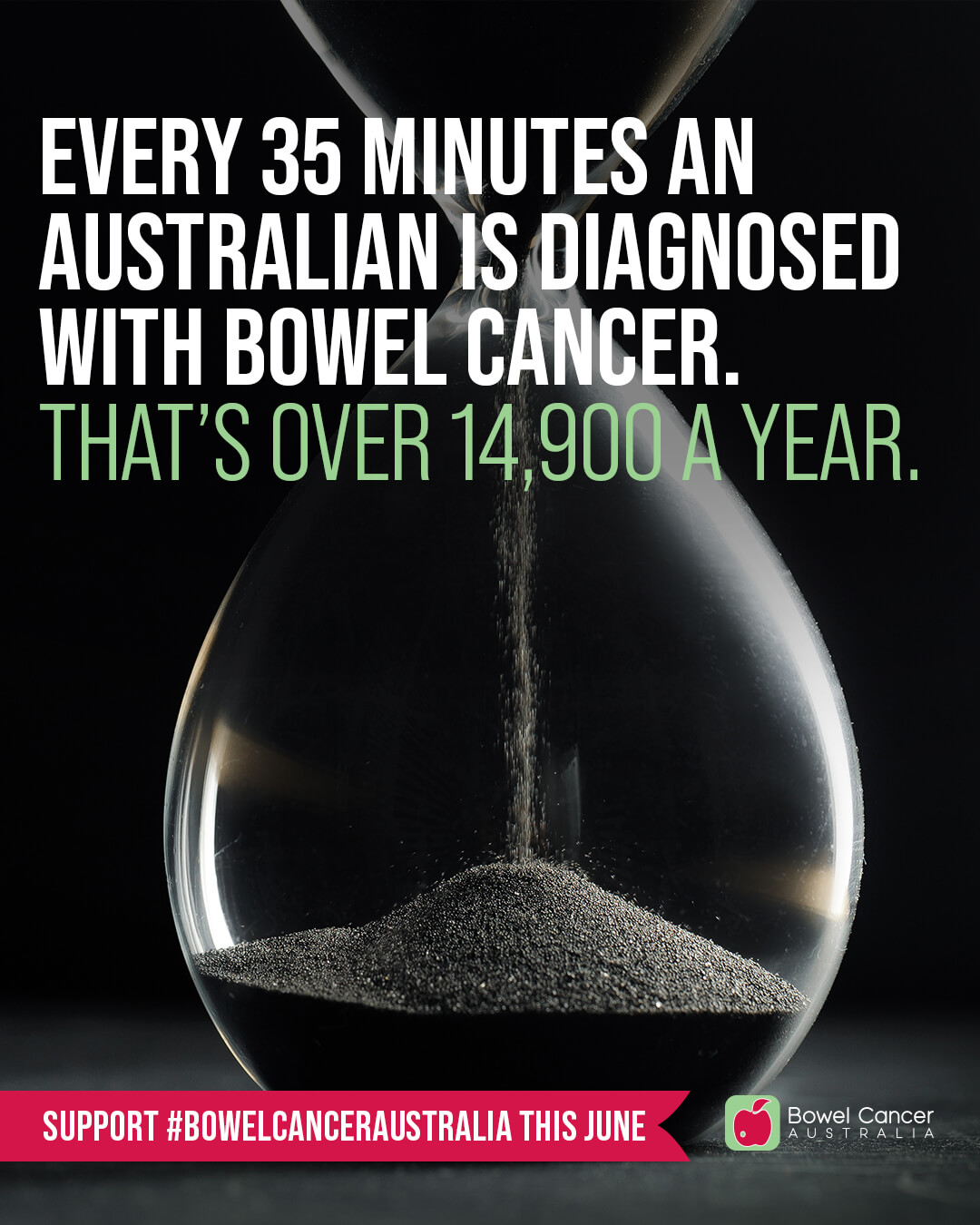
Bowel cancer is one of the deadliest and most common cancers in Australia. However, if found early, more than 90% of cases can be successfully treated. This Bowel Cancer Awareness Month, we are encouraging patients to participate in bowel screening.

Bowel cancer, also known as colorectal cancer, develops from the inner lining of the bowel and is usually preceded by growths called polyps, which may become invasive cancer if undetected.

How to do it

The National Bowel Cancer Screening Program reduces illness and death from bowel cancer by detecting the early signs of the disease using a free, simple test that can be done at home.

People aged 50 to 74 receive a bowel cancer screening kit in the post every 2 years. People aged 45 to 49 can request their first kit by submitting a webform or calling 1800 627 701.

If you are experiencing bowel cancer symptoms, don’t wait for your kit in the post. Speak with your doctor today.

Stay informed

Did you know that Eastbound produces a monthly digital newsletter?

We deliver important community health updates and clinic news to your inbox.

Our June newsletter is out now! Read it here.

Not yet subscribed?

Simply navigate to the bottom of this page and fill out the form.