Movember is a global movement that takes place every November, encouraging men to grow moustaches to spark conversations and shine a light on men’s health. The focus of Movember is on mental health and suicide prevention, as well as prostate and testicular cancer.
Believe it or not, the Movember movement began right here in Melbourne in 2003, when a group of friends decided to bring the moustache back into fashion as a way to get men talking about their health.
Men’s health at a glance
Did you know that men die, on average, nearly five years earlier than women, with preventable conditions being a major factor?
Here are some key stats that show why it’s so important for men to take charge of their health:
- 75% of people who die by suicide are men, especially those aged 40–59 and 85+.
- Prostate cancer is the most commonly diagnosed cancer in Australia, with an estimated 28,868 men likely to be diagnosed in 2025.
- Around 79 Australian men are diagnosed every day, with 1 in 5 at risk of being diagnosed in their lifetime.
- Testicular cancer is rarer but still significant, with an estimated incidence of 6.5 in every 100,000 men. In 2010, there were 706 new cases of testicular cancer in Australia.
- Young men are more commonly affected by testicular cancer, with the average age of diagnosis being around 35 years.
What can you do?
Taking the first step to better health is easier than you think.
Here’s how you can start today:
- Surround yourself with positive influences – Spend time with those who lift you up, whether it’s family, friends, or colleagues. The connections we have make a big difference to our overall well-being.
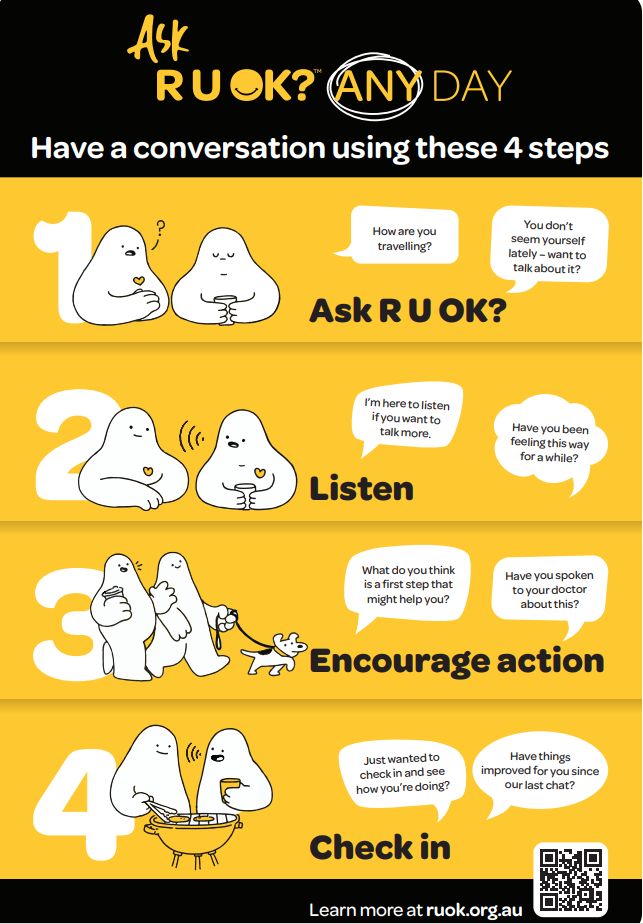
- Start the conversation – Talking about your mental health doesn’t make you weak. Open up to a friend or your GP. You don’t need to be an expert, just listen and share.
- Know your health milestones – At age 45, you become eligible for a 45–49 year old health check, a comprehensive assessment by a GP to check your risk for chronic diseases, covering lifestyle, family history, and physical health. Speak to your GP and find out what checks are available to you.
- Take notice of your body – If something doesn’t feel right, don’t ignore it. Get familiar with what’s normal for your body and talk to a health professional if you have any concerns or just want to learn more.
“We understand visiting your GP can be confronting for some men, and we understand why. It’s so important to have a regular GP who understands you and what’s normal for your body and well-being. Men are usually more reluctant to get that thing that’s been bothering them checked out or talk about their mental health due to the perception that it’s a sign of weakness or just prioritising other things over their own health.”
Dr Owen Latimer, GP and Practice Owner
This Movember, take the first step toward better health.
Need to book an appointment?
Not sure who to book with?
Learn about the consulting GPs available at Eastbound here.